LEARNING TO WALK IN THE DARK
We do not have a moment to lose
Psalm 92: 12-14
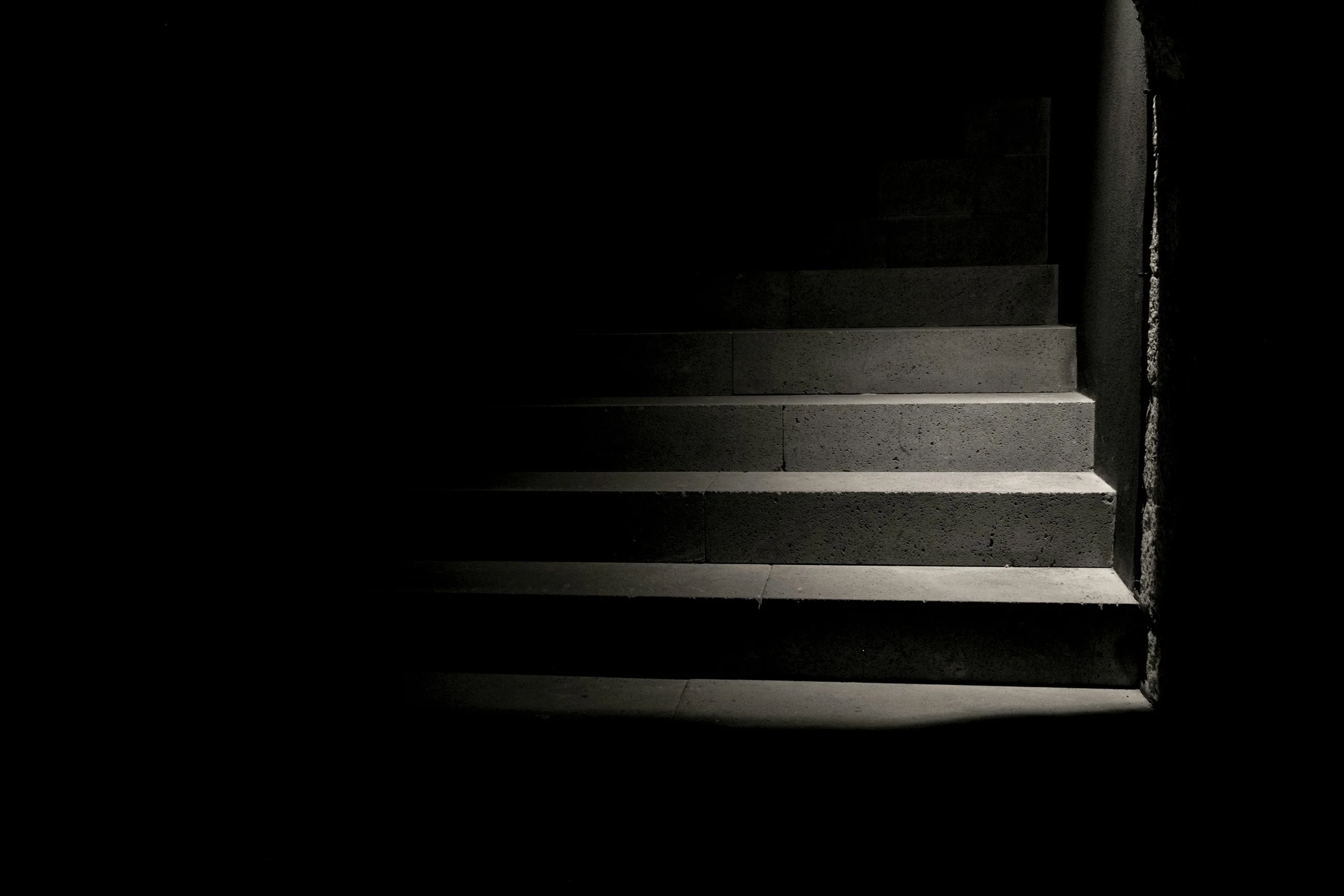
People from our Western World who travel to some places, like Malawi and other rural parts of Africa, feel very dark at night and they mean this in the literal physical sense.
When one of our daughters in law was in her mid-teens she joined a mission trip to Malawi. In her words, “we lived in tents and it was certainly not glamping”.
One night as a small group they walked a path down to the river to bathe; it was a high priority living in close quarters and doing physical labour to help the Villagers.
Beverly talks about how thick and dark the darkness was. Something she had never experienced here. On this specificnight, the teens walked in single file down a narrow path to the river, with the lead holding a flashlight. Each person stayed very close to the person in front of them. Beverly was the last person in line.
For some reason, she fell behind and then suddenly found herself alone, the dark was so dark, she could not see her hand in front of her face. Sounds in the jungle became louder and she has never felt fear like she did that night, fear of the dark.
As she cried out names, eventually, which felt like an eternity, she was able to catch up to her friends. Today, many years later, the memory is still as vivid as when she experienced it.
Learning to walk in the dark to those teens, and to the African Villagers, was literally lifesaving and in some parts of rural Africa exists today.
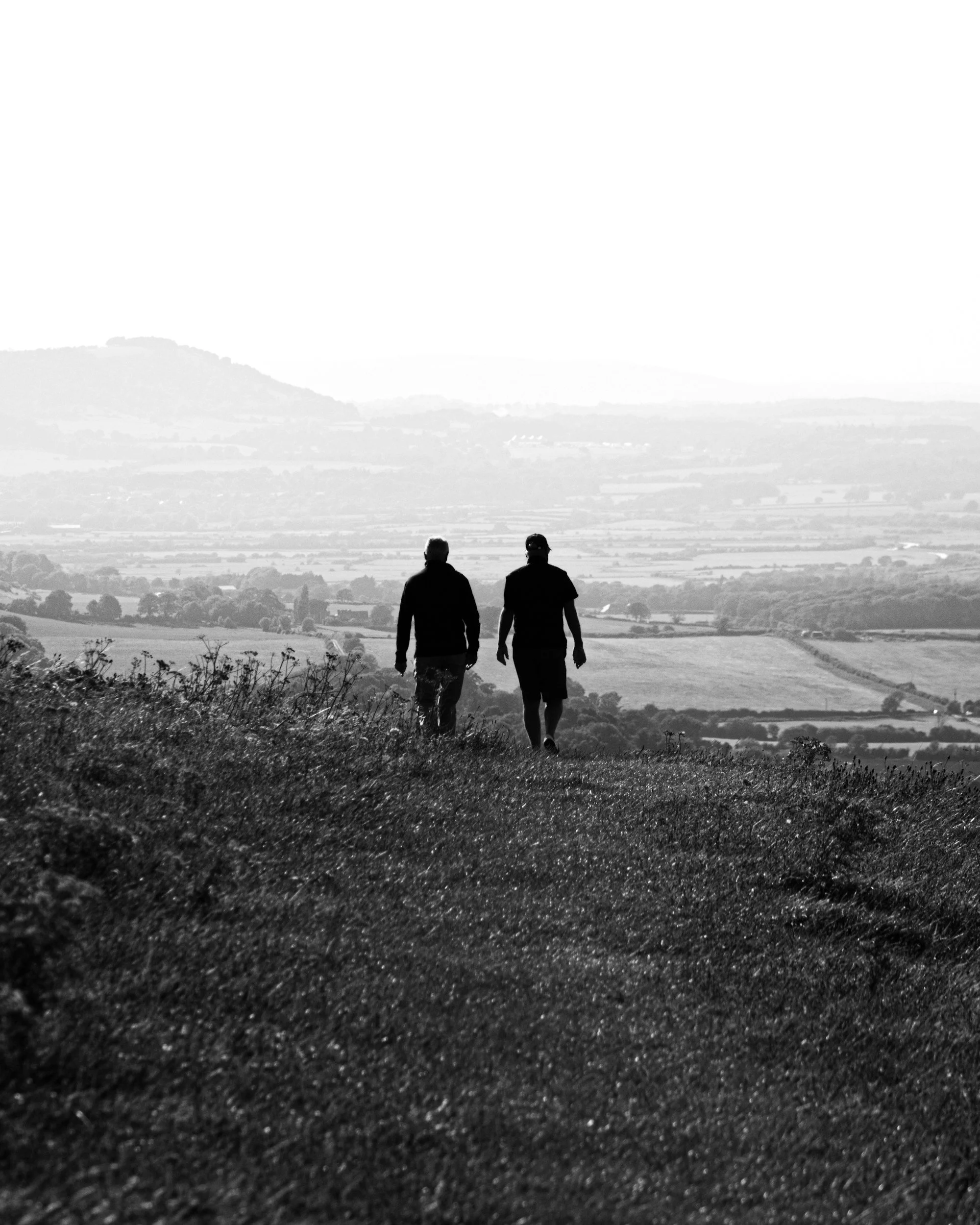
For me, there are at least five places of darkness where I need to learn to walk as I get older.
1) The darkness of losing control.
When we were younger, we planned, built, achieved and now as we age, we find ourselves, less in control. The reality is that really, we are not able to control much.
2) The darkness of my changing identity.
When we were younger, our identity was linked to career, parenting, leadership, being productive, being needed.
Now we ask, “Who am I? What is my purpose?”
We need to now focus on moving from productivity to fruitfulness. Think about what being fruitful means as you age.
3) The darkness of letting go.
Someone recently said to me that life is a series of goodbyes. Children grow up, we retire, health changes, friends move away, we experience death and loss.
I am writing this during the Season of Lent, a season of being purposeful in letting go. It is learning to walk in the dark.
4) The darkness of simplifying.
Life does become simpler, with fewer obligations, a slower pace of life. Yet, as one professional said to me recently, it has been so difficult to be less involved, without responsibilities and not needed like I was. Simplification is not for the faint of heart.
5) The darkness of facing our mortality. Enough said.
So….. what are a few thoughts on how to learn how to walk in the dark as we age?
Here are my five, I am processing to help me focus on aging consciously and with acceptance.
A) It is having an attitude that enables us to harvest our lives, the successes and the failures and convert them to wisdom, to bless those who are younger for their future.
B) It is understanding that we are not to compete with those who are younger.
C) It is having a conscious attitude of embracing deliberate growth and new learning, looking for opportunities where we can be socially useful.
D) It is believing that I still have a connection to the future that has joy, pleasure and fulfillment.
E) It is living in light of heaven, knowing that I have hope and it will be more than I can imagine. Releasing to a good God, those who I love, who I am concerned for in their faith journeys and my part is to be there for them, in deep and meaningful relationship. As I write this, I like the family mission statement, I once heard, “Be There”. There is much in those two words!
Yes, I could add more, however, these are five that challenges me. We do “need to move from achievement to fruitfulness.”
Should you be looking for a verse for this season of your aging life, here is one.
The godly will flourish like palm trees and grow strong like the cedars of Lebanon. For they are transplanted to the Lord’s own house. They flourish in the courts of our God. Even in old age they will still produce fruit: they will remain vital and green.
In our aging seasons, we do not have a moment to lose!
Bruce